How to Read Skin-Temp Wearables for Your Cycle: Privacy Guide
Updated on

Introduction
If you wear a ring or wrist tracker and wonder what those nightly temps actually mean for your period, you’re not alone. Skin-temperature wearables record continuous nocturnal surface temperatures that often show a small, sustained post-ovulatory rise, so they’re useful for retrospective cycle insight. They can’t reliably predict ovulation on their own and are sensitive to many non-cycle factors, so interpret them with context and privacy-first habits.
This article explains in plain language what those sensors measure, how skin temperature relates (and doesn’t) to menstrual phases and ovulation, common confounders, privacy risks, and step-by-step, privacy-first workflows to pair wearable data with private journaling and habit tracking.
What skin-temperature wearables actually measure
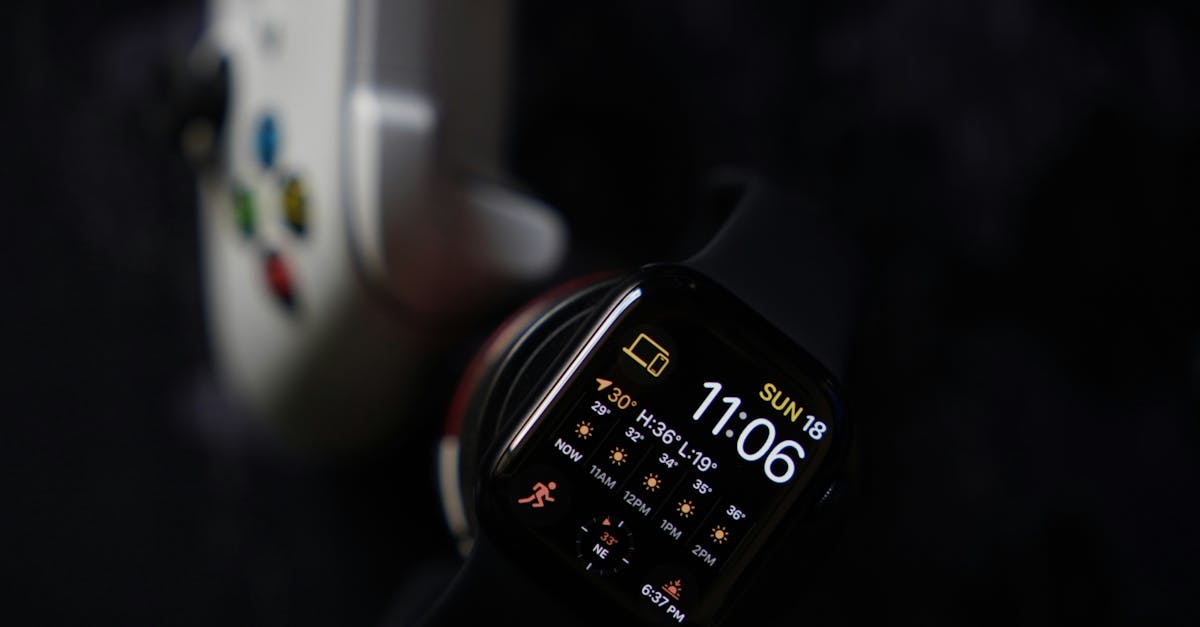
Skin-temperature wearables measure continuous distal skin surface temperature — usually at the finger or wrist — and typically collect data during the night when your body is most still. These readings are surface temperatures, not core body temperature, and they reflect what the sensor touches rather than internal core heat.
Because the device samples many times per night, it produces a nightly curve or mean rather than a single morning value like basal body temperature (BBT). That continuous sampling reduces noise from one-off blips and gives a more stable nightly average.
Devices differ slightly in placement and sampling rate: rings tend to have good skin contact at the finger, while wrist bands can be affected more by sleeping position and clothing. Neither type measures “ovulation” directly — they measure a temperature signal that often follows the hormonal changes of the cycle.
Why temperatures change across the menstrual cycle
The main biological reason temperatures shift across the cycle is progesterone. After ovulation the hormone progesterone rises and produces a small, sustained increase in body temperature. This is the same physiology behind traditional biphasic basal body temperature charts.
Distal skin temperature often follows a similar biphasic pattern: lower values during the follicular (pre-ovulatory) phase and slightly higher values during the luteal (post-ovulatory) phase. Wearables capture that shift as a nocturnal rise in the nightly mean temperature.
Because the rise is usually modest (a few tenths of a degree Celsius), nighttime readings and stable sleep windows give the clearest signal. Quiet, consistent sleep reduces the day-to-day noise that can mask the post-ovulatory change.
What skin temperature tells you — and what it doesn’t
Skin-temperature wearables have useful strengths and clear limits. Knowing both helps you use the data gently and effectively.
What it can do
- Retrospective ovulation clues: A sustained nocturnal rise usually indicates that ovulation has already occurred.
- Rich nightly data: Continuous sampling means many points per night, which reduces random error compared with a single morning BBT reading.
- Pattern detection: Over several cycles, wearables often reveal personal patterns in luteal length and cycle variability.
What it can’t do alone
- Advance prediction: The temperature rise is a post-ovulatory effect, so wearables generally don’t predict ovulation before it happens.
- Perfect specificity: Many non-cycle factors can mimic or mask the rise, so a flagged night isn’t always ovulation.
- Contraceptive reliability: By themselves, wearable temperatures are not a guaranteed method for preventing pregnancy. Combine signals when timing matters.
Practical takeaway: treat wearable temperature as a powerful retrospective signal that’s best used alongside cervical mucus tracking, optional LH tests, and symptom journaling depending on your goals (awareness, trying to conceive, or cycle learning).
Evidence snapshot: accuracy and trade-offs
Research shows distal nocturnal skin temperature is often more sensitive at detecting post-ovulatory rises than a single daily BBT reading. In other words, wearables catch more true ovulations in many studies because they average many points and avoid timing errors from a single morning reading.
However, higher sensitivity can come with lower specificity. That means wearables may flag more nights that look like luteal rises but are actually caused by non-cycle factors. One comparative study reported substantially higher detection rates for wrist skin temperature versus oral BBT, but also noted more false positives.
In plain terms: wearables are a helpful tool for personal insight and retrospective confirmation of ovulation, especially when combined with other signs. They’re less reliable as a standalone method when you need strict predictive or contraceptive certainty.
Common confounders that can mislead wearable temperature signals
Many familiar, everyday events change nocturnal skin temperature. Spotting these confounders helps you decide which nights to trust, exclude, or flag for caution.
- Illness or fever: Raises skin temperature and can look like a luteal rise. If you felt feverish, flag or exclude that night.
- Alcohol: Can increase nocturnal skin temperature and disrupt sleep, producing false-positive rises.
- Poor or short sleep: Sleep deprivation and fragmented sleep change thermoregulation and can distort nightly averages.
- Ambient conditions: Hot rooms, heavy blankets, or sleeping with extra clothing can raise skin temperatures; cold rooms or uncovered wrists can lower them.
- Shift work and jet lag: Circadian disruption shifts temperature rhythms and may hide the cycle signal for several days.
- Medications and hormonal treatments: Certain drugs or hormone therapies can alter the expected temperature pattern.
- Device issues: Poor sensor contact, charging interruptions, or wearing the device incorrectly will produce unreliable nights.
Simple everyday signs to watch for that suggest excluding a night: waking with a fever, a late-night drinking session, fewer than four hours of sleep, travel across time zones, or a medication change. When in doubt, flag the night in your journal so it can be excluded from averages later.
Privacy risks and what to check before you connect a wearable
Reproductive health data is sensitive and has been the subject of regulatory scrutiny and legal cases. That makes privacy a practical priority when you pair wearable data with any app or cloud service.
Before connecting a wearable, use this checklist to evaluate privacy practices and reduce risk:
- Hosting & jurisdiction: Prefer services with GDPR hosting (for example, EU-based servers) or similarly strong privacy laws.
- No data sale: Confirm the company states they do not sell your health data to advertisers or brokers.
- No AI training on your personal data: Look for explicit language that your personal data won’t be used to train large models without consent.
- Export & delete controls: Ensure you can export your full data and request deletion easily.
- Minimal third-party analytics: Check whether the app minimizes or allows you to opt out of external analytics and ad SDKs.
- Local processing: Where possible, choose apps that process sensitive signals locally on your device rather than sending raw data to servers.
Practical actions to take right away:
- Review app permissions and revoke anything unnecessary (e.g., social sharing).
- Disable automatic sharing or integrations with ad platforms and third-party services.
- Turn off analytics or marketing tracking if the option exists.
- Export a backup copy of your data and store it encrypted if you want a local record.
- Periodically exercise your access and deletion rights (download, archive, then try deleting and confirm removal).
Step-by-step privacy-first workflow for using wearable temperature with journaling
This workflow shows how to get useful cycle insights from wearable temperature while protecting privacy and reducing noisy nights.
Before you start — quick privacy checklist
- Choose apps with clear privacy promises: GDPR hosting, no data sale, and easy export/delete controls.
- Turn off or opt out of analytics, marketing, and unnecessary cloud sync when possible.
- Review wearable permissions in your phone settings and limit sharing to only the apps you trust.
Nightly habit
- Wear the device consistently overnight and keep a regular charging routine so it won’t die during sleep.
- Aim for similar sleep windows on most nights to help the algorithm compare like with like.
- If you travel or have a late night, note that in the morning with a quick flag in your journal.
Morning habit
Make a short, private morning check-in a simple daily habit. Use quick buttons or short tags so it takes seconds.
- Flag noisy nights with one-tap tags: sick, alcohol, short sleep, travel, meds.
- These flags allow you to exclude nights from cycle averaging later and keep your trend lines clean.
Daily journaling prompts (private & brief)
Keep entries to 1–3 lines to lower friction and encourage consistency. Example prompts:
- Sleep quality & hours
- Fever/illness or alcohol last night (yes/no)
- Cervical mucus type (dry / sticky / creamy / egg-white)
- Mood / energy (1–5) + one self-care intention
Habit tracking for gentle cycle-aware self-care
Use habit tracking for small, private, supportive actions tied to your cycle phases. Keep notifications quiet and optional so they feel like gentle reminders, not pressure.
- Examples: short restorative practices in luteal phase, hydration reminders during flow, or a nightly 2-minute journal to capture symptoms.
- Keep streaks focused on wellbeing (mindful breathing, 10-minute walk) rather than performance metrics.
How to exclude or flag nights and why it helps
When you mark a night as sick or hungover, your app can ignore that data point when calculating averages. Manually excluding noisy nights reduces false positives and yields clearer cycle signals over time.
Tip: If you don’t want to rely on cloud services, keep an encrypted monthly export and mark exclusions in a private note so you can reprocess locally later.

Interpreting your patterns: simple rules to follow
Here are clear, gentle rules to help you read patterns without over-interpreting single nights.
- Treat temperature shifts as retrospective clues. A sustained nocturnal rise most often means ovulation has already happened.
- Corroborate with other signs. Check cervical mucus, LH tests (if you use them), and symptom journal entries to confirm the temperature signal.
- Exclude flagged/noisy nights. Remove nights you marked as sick, drunk, short-slept, or jet-lagged when averaging or trusting a cycle signal.
- Track multiple cycles. Personal baselines and variability become clearer over 3–6 cycles — especially important for irregular cycles or conditions like PCOS.
Special situations: TTC, irregular cycles, and PCOS
If you’re trying to conceive (TTC), wearable temperature can be a helpful confirmation tool. Use it with cervical mucus tracking and/or LH tests. Temperature helps confirm ovulation retrospectively and informs timing for the next cycle.
For irregular cycles or PCOS, expect more variability. Wearable temperature may show irregular or muted rises; tracking longer windows and keeping detailed, private journaling will help you and your clinician see patterns.
Seek clinical advice when you have persistent irregularity, difficulty conceiving, or symptoms that concern you. Wearable data is useful for conversation, but it doesn’t replace professional evaluation.
Feature highlight: a privacy-first way to pair wearable data with journaling and habit tracking
Noisy nights, confusing signals, and privacy worries can make wearable data feel more stressful than helpful. A privacy-centered app design can change that: private nightly flags, encrypted journals, habit tracking tied to cycle phases, and easy export/delete controls keep you in control of both the data and the story it tells.
How this helps in practice:
- Flag noisy nights privately and exclude them from trend calculations.
- Keep a short, encrypted journal for mucus and symptoms to corroborate temperature rises.
- Use quiet widgets to see your day at a glance without broadcasting sensitive details on your home screen.
Try the free 7-day trial to review privacy settings, test exports, and practice flagging nights before you commit to long-term tracking.
Long-term privacy hygiene and backups
Good privacy hygiene protects your data and your choices over time. Make it a habit to export and locally back up your data periodically, stored encrypted on your device or a private drive.
Regularly review third-party integrations and revoke anything you no longer use. If an app offers GDPR-style rights, practice exercising them: request a data export, then request deletion to confirm the process works as promised.
If you ever feel uncomfortable with an app’s policy or practices, export your data, delete the account, and move to a service with clearer, stronger privacy guarantees.
Quick reference: journaling prompts and exclusion checklist
Use these ready-to-copy prompts and the exclusion checklist to speed up morning entries and keep your dataset clean.
Daily journaling prompts
- How did I sleep last night? (hours + quality)
- Fever/illness or alcohol last night? (Yes / No)
- Mucus today? (dry / sticky / creamy / eggwhite)
- Mood & energy (1–5) + one self-care intention
Exclusion checklist (copyable)
- Sick / fever
- Alcohol
- <4 hours sleep
- Travel / jet lag
- Medication change
Three quick tips for better nights of temperature data
- Wear the device consistently overnight and keep it charged.
- Sleep in a cool, stable environment with similar sleep timing.
- Flag noisy nights immediately to make exclusion simple later.
Bottom line: practical, private, and gentle
Wearable skin temperature is a helpful tool for personal cycle insight: it often reveals a post-ovulatory rise and gives richer nightly data than a single morning BBT. But it’s retrospective, sensitive to many confounders, and not a stand-alone contraceptive method.
Prioritize private journaling, simple nightly flags, and gentle habit tracking to turn wearable data into clear, trustworthy patterns. Start with a privacy checklist, track a few cycles with exclusions, and use what you learn to support your wellbeing — not to pressure yourself.
Conclusion
If you want thoughtful, private insights from a ring or wrist tracker, pair its nocturnal temperature curves with simple, private journaling and respectful habit nudges. Protect your data by choosing privacy-first apps, flag noisy nights, and treat temperature as a helpful clue — not a verdict. Over a few cycles, you’ll learn your pattern and feel more confident about what the numbers mean.
Try App
Learn what App does, browse features, and get support resources.
Frequently Asked Questions
- Can wearables reliably predict ovulation in advance?
- No — skin‑temperature wearables generally signal ovulation after it has happened, because the measurable temperature rise is a post‑ovulatory effect. They’re very useful for retrospective confirmation and pattern spotting, and can be combined with cervical mucus or LH tests for better timing, but they shouldn’t be relied on alone to predict ovulation in advance.
- Is wrist/finger skin temperature better than basal body temperature?
- Wrist/finger nocturnal skin temperature is often more sensitive than a single morning basal body temperature because it collects many overnight samples and avoids user timing errors. That sensitivity can detect more ovulatory events, but it may also produce more false positives, so it’s best used alongside other signs rather than as a sole source of truth.
- What should I flag or exclude so my temperature data isn’t misleading?
- Flag or exclude nights with illness/fever, alcohol, very short or disrupted sleep, travel/jet lag, shift work, major medication changes, or extreme ambient conditions (very hot/cold room or heavy bedding). Marking these nights in your tracker or journal helps algorithms and your own review avoid noisy readings and keeps cycle averages more reliable.
- How can I keep my cycle and wearable data private?
- Choose apps with clear privacy policies, GDPR hosting, no data sharing by default, and easy export/delete controls; turn off unnecessary third‑party integrations and analytics; and export encrypted local backups if you want offline copies. Regularly review app permissions, use private widgets/notifications, and exercise your data‑rights (access/export/delete) if the service supports them.
- Can people with PCOS or irregular cycles use wearable temperature tracking?
- Yes — people with PCOS or irregular cycles can use wearable temperature tracking, but expect more variable patterns and less predictable timing. Treat temperature as one of multiple signals, keep detailed journaling over several cycles to spot personal trends, and consult a clinician when needed; wearable data can improve awareness but rarely replaces medical evaluation.
Written by
LunaraHi, I'm Lunara. I was tired of wellness tools that felt like chores, or worse, like they were judging me. I believe your body already knows what it needs. My job is just to help you listen. Whether you're tracking your cycle, building a morning routine, or simply trying to understand why Tuesdays feel harder than Mondays — I'm here to be a quiet companion, not a demanding coach. I care deeply about your privacy. Your data stays yours. I'll never sell it, never train AI on your personal moments, and I'll always give you a way out if you need one. Some things are just between you and your journal. When I'm not thinking about cycle phases and habit streaks, you'll find me advocating for women's health literacy, learning about the science of rest, and reminding people that "good enough" is actually good enough. I'm so glad you're here. 🌙